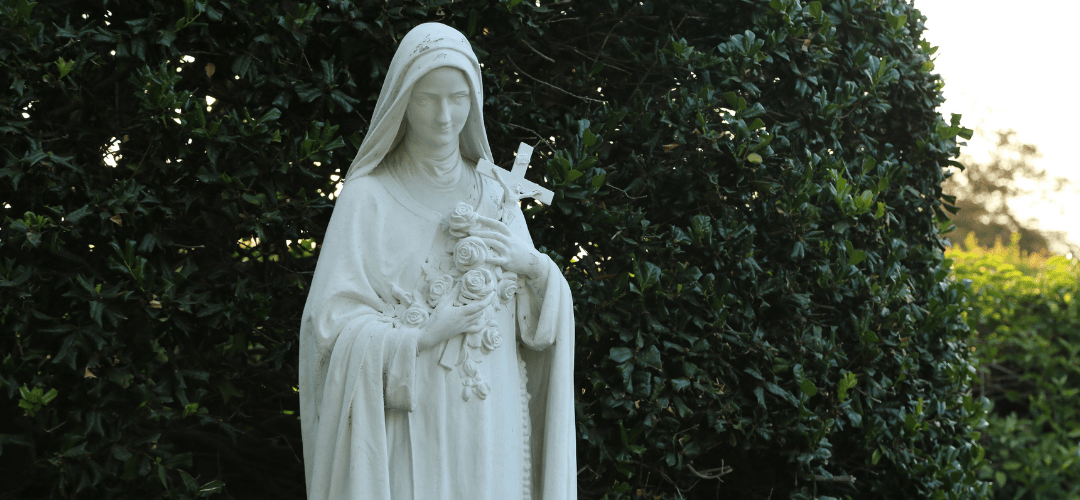
Most people who know of St. Therese, “The Little Flower,” are acquainted with the popular image of a young Carmelite nun, standing bathed in a heavenly light, with a serene smile, holding a crucifix surrounded by cascading roses.
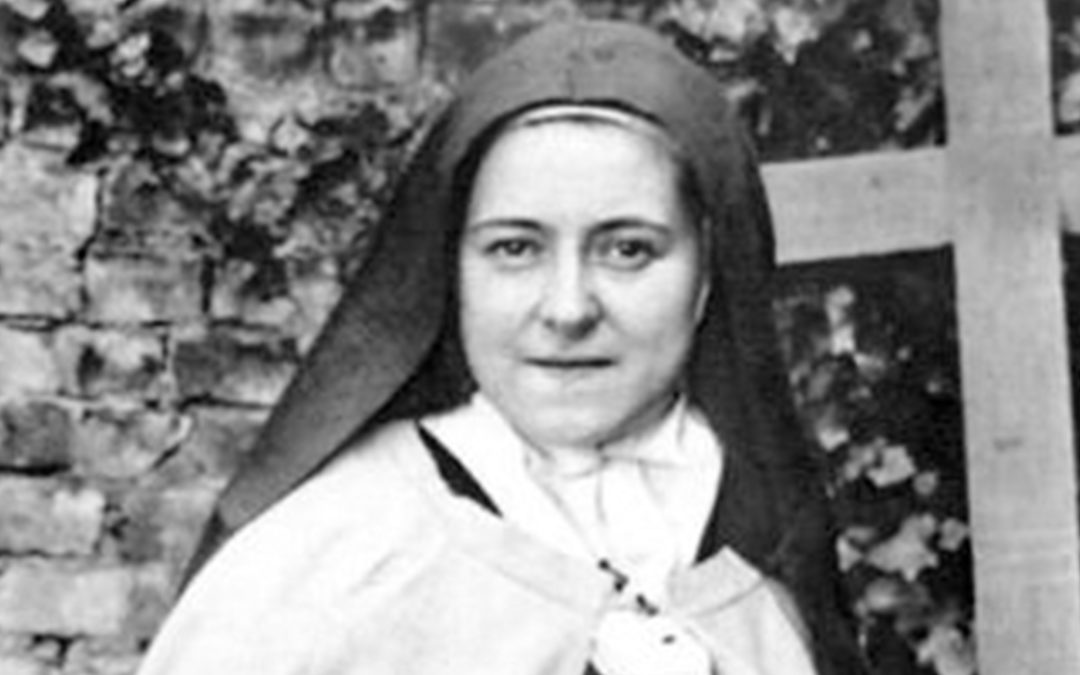

Most people who know of St. Therese, “The Little Flower,” are acquainted with the popular image of a young Carmelite nun, standing bathed in a heavenly light, with a serene smile, holding a crucifix surrounded by cascading roses.
How can one little nun who died at the age of 24, who never left the confines of her cloister walls after entering Carmel end up becoming a friend to millions, the patron saint of missions, known to the entire world?
In the halcyon days of hula hoops, American Bandstand and sleek shiny cars sporting long fins, I first met St. Thérèse.
Most people who know of St. Therese, “The Little Flower,” are acquainted with the popular image of a young Carmelite nun, standing bathed in a heavenly light, with a serene smile, holding a crucifix surrounded by cascading roses.
St. Therese. Just the sound of her name conjures up in so many persons great feelings of love, affinity and gratitude. This became superabundantly clear to me when her relics visited the United States in the year 2000.