Originally posted on: http://www.integratedcatholiclife.org/2012/10/carmelite-sisters-remembering-st-therese-of-lisieux/
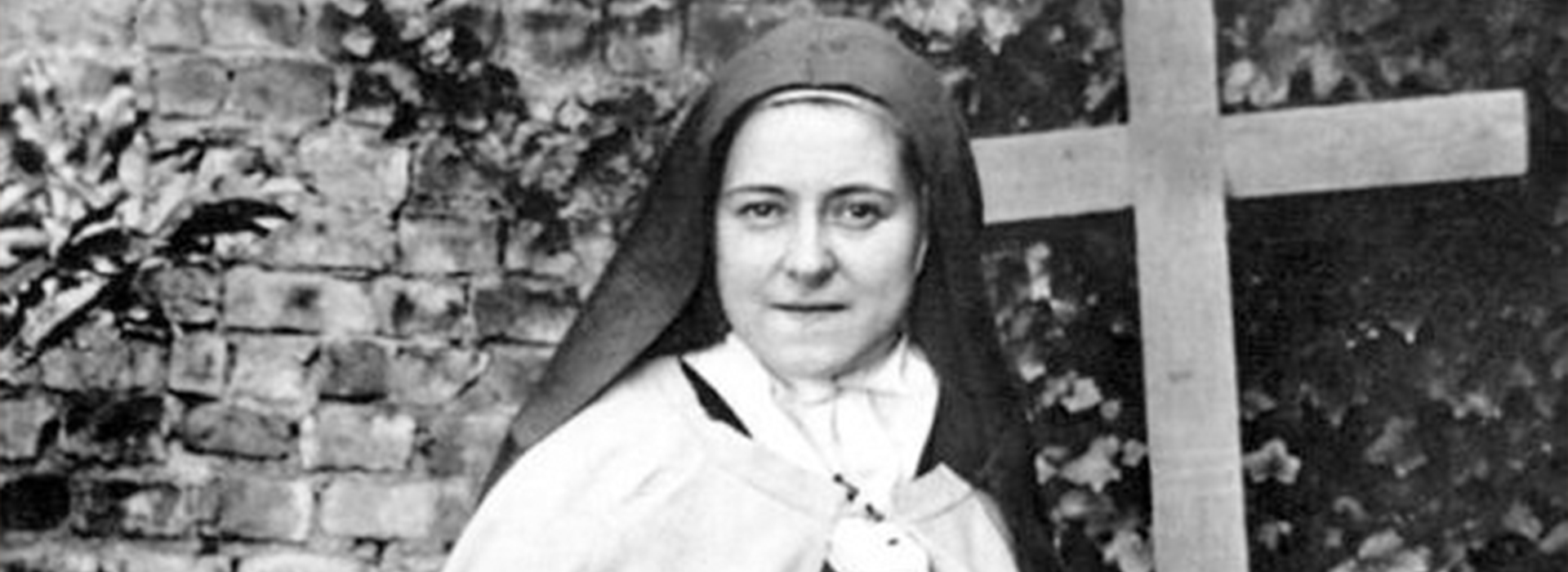
How is it that those of us living today know anything at all about this young obscure nun, Sister Therese of the Child Jesus and the Holy Face, who lived for nine years within a nondescript French convent more than a hundred years ago?
Why are her relics still traveling around the world today, where people on every continent wait in long lines for hours to kneel by them for a few moments and pray? What was written in those three manuscripts her superiors requested that she write, that are still on the bestseller list in 2010?
The answer lies in her relationship with God and how God permitted that her writings about that relationship were spread throughout the entire world after her death.
Here are some highlights of the life of Saint Therese. On January 2, 1873, Therese Martin was born in Alencon, France. She was the last of the nine children – only five lived, however – of Louis and Zelie Martin. Her short life lasted a mere twenty four years. She entered the cloistered discalced Carmelite nuns at age fifteen and remained there until her death from tuberculosis on September 30, 1897.
Living a hidden, simple life of prayer, she was gifted with a deep understanding of the importance of the little things in life. Her spirituality is so very appealing. It is called the Way of Spiritual Childhood or the Way of Confidence and Love.
Her autobiography, The Story of a Soul, is regarded the Catholic bestseller of the Twentieth Century. Considered by many to be the most popular saint of the 20th century, St. Therese was declared a saint in 1925 and a Doctor of the Church in 1997, on the hundredth anniversary of her death.
Her inspiration and powerful presence from heaven have touched many people very quickly. She transformed an age still recovering from the dire effects of Jansenism, which denied free will, maintained that human nature is incapable of good, and proclaimed an angry, unmerciful God. In her three manuscripts which became known as her autobiography, The Story of a Soul, she wrote about a God of love, a kind father who delights in His children. She wrote about how she lived each day with an unshakable confidence in God’s love. “What matters in life,” she wrote, “is not great deeds, but great love.” Therese’s spirituality is one of doing the ordinary with extraordinary love.
Many people, places and causes have adopted her as their patroness. She is known as the patroness of missions and missionaries along with St. Francis Xavier; the co-patroness of France along with St. Joan of Arc; patron saint of Alaska and Russia; patroness of aviators, florists, and all who suffer the loss of their parents.
Her last words were, “My God, I love You!”
Pope St. Pius X acclaimed her “the greatest saint of modern times.”
“My mission – to make God loved – will begin after my death,” she said. “I will spend my heaven doing good on earth. I will let fall a shower of roses.” Roses have been described and experienced as Saint Therese’s signature by many people throughout the years.