by Sister Carmelina, O.C.D.
“At that time, I could understand ‘Flower Children’ more than ‘the Little Flower.’”
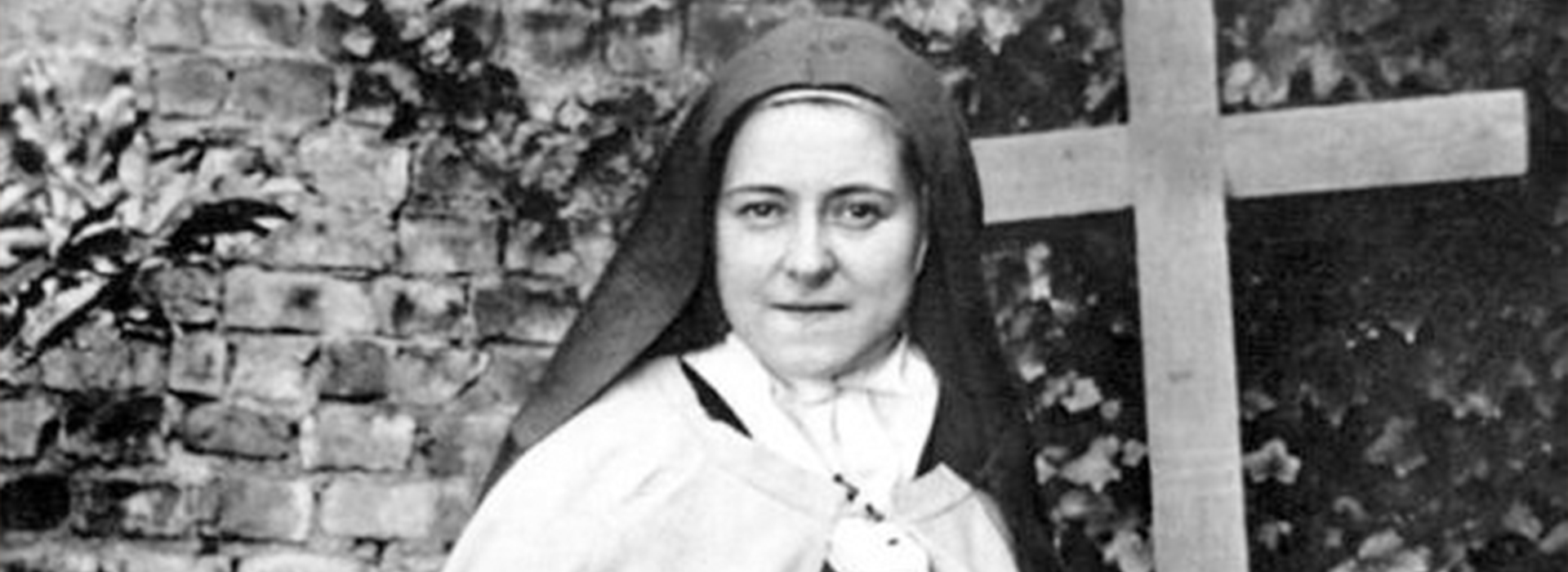
Most people who know of St. Therese, “The Little Flower,” are acquainted with the popular image of a young Carmelite nun, standing bathed in a heavenly light, with a serene smile, holding a crucifix surrounded by cascading roses. This vision of peace will likely elicit the thought or impression that here is a saint that ‘walked the flower strewn path’ to holiness, somehow immune to the all too human weaknesses and brokenness that we sinners have to endure in our sin-pressed existence.
That is how I felt as a ‘boomer’ growing up in the 50s and 60s. I could understand the “Flower Children” more than “The Little Flower.” I could not have been farther from the reality; Subsequent study opened my eyes to the splendor of the “Little Way” and its practicality even for a “60s girl.” The way of confidence and love is the inspired spirituality for our cynical and materialistic era. This “Little Way or “Spiritual Childhood” is possible for everyone, if we only have the humility to see it.
St. Therese distilled the Gospel message, “Unless you become like little children, you cannot enter the kingdom of heaven” (Mt. 18:3) into practical, lived terms that everyone can understand. Her own life experiences of immense suffering and struggle were the means by which God led her to this profound Gospel expression. She went from being a high strung and emotionally volatile child to an overly sensitive and withdrawn child at the death of her mother; was saved from a near nervous breakdown caused by separation anxiety at losing her two older sisters (maternal surrogates); to the pain and loneliness of misunderstandings and social inadequacies in school; to overcoming all the obstacles to entering Carmel at 15 years old. And once she entered Carmel, she said that she experienced, “…more thorns than roses.” Yet, she allowed God to work in her life and soul in such a way that she could face the trials of her life with joy, confidence, trust and love.
At the end of her brief twenty-four years, Therese had passed through the “Dark Nights” and became a living witness to the Passion of her crucified Spouse. She lived a very ordinary life like you and me. She tells us that everything that happens to us can be material for holiness IF we give God permission to work in our lives.
We are all called to union with God, to self-forgetfulness, so that we can be filled with God. St. Therese gives us the hope that the ordinary struggles of life can be sanctifying. She shows us by her beautiful, simple and sisterly way that everything in life is material for love.
Is it time that you read or re-read her “Story of a Soul” with new eyes?