Most people who know of St. Therese, “The Little Flower,” are acquainted with the popular image of a young Carmelite nun, standing bathed in a heavenly light, with a serene smile, holding a crucifix surrounded by cascading roses.
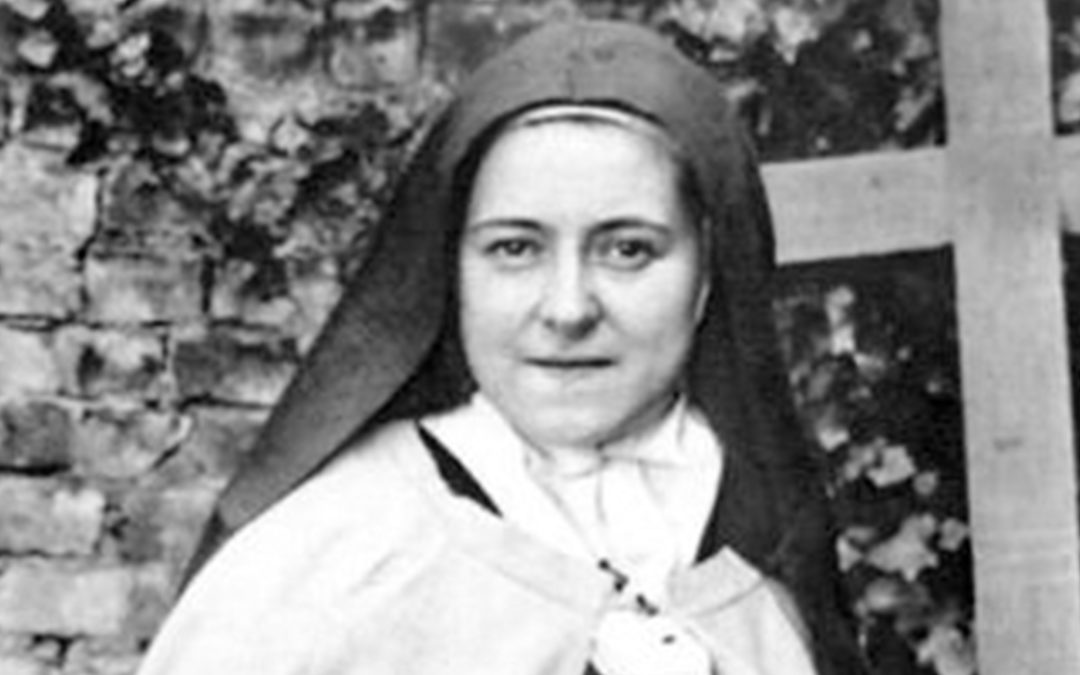

Most people who know of St. Therese, “The Little Flower,” are acquainted with the popular image of a young Carmelite nun, standing bathed in a heavenly light, with a serene smile, holding a crucifix surrounded by cascading roses.
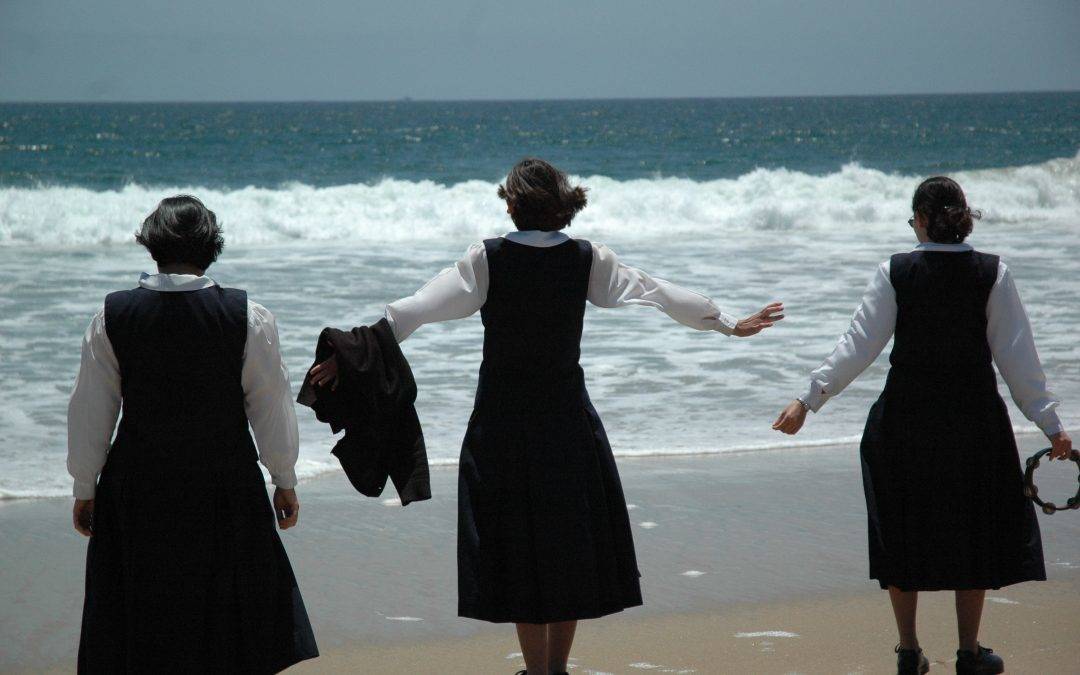
Religious life is a supernatural life of faith that is expressed in the very real, very concrete details of daily life. Learning all the customs and procedures, the hows and whens of accomplishing even the simplest tasks in a new way, can feel daunting.
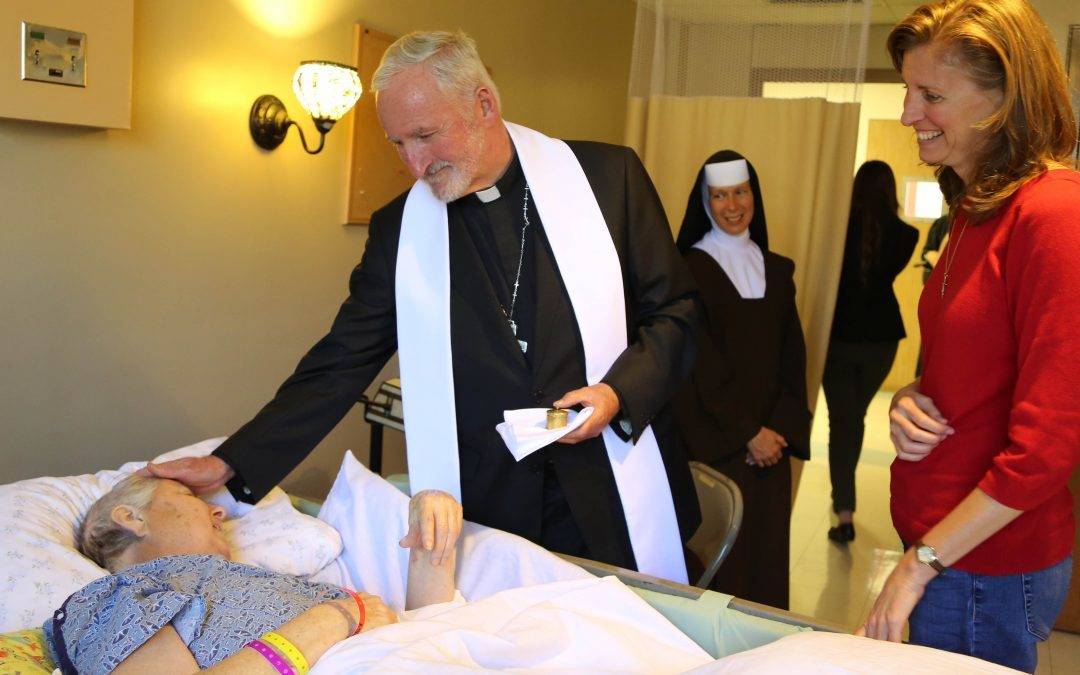
We rail against a broken health-care system, but people need to see what good care actually looks like. We need to offer a solution, not just point to a problem. Santa Teresita is a special, sacred place.
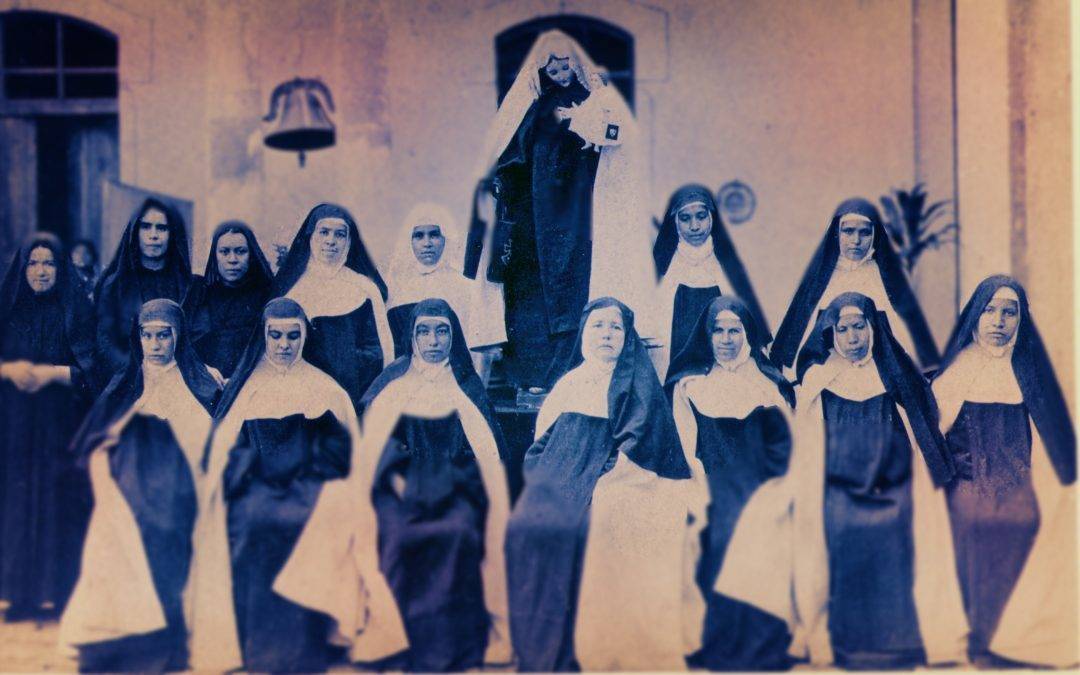
Often when I introduce myself, people seem surprised. “I thought Carmelites were cloistered?” Occasionally there is a slight tone of suspicion in their voice, as if maybe we were escapees or something. I am always prompt to clarify things for them.
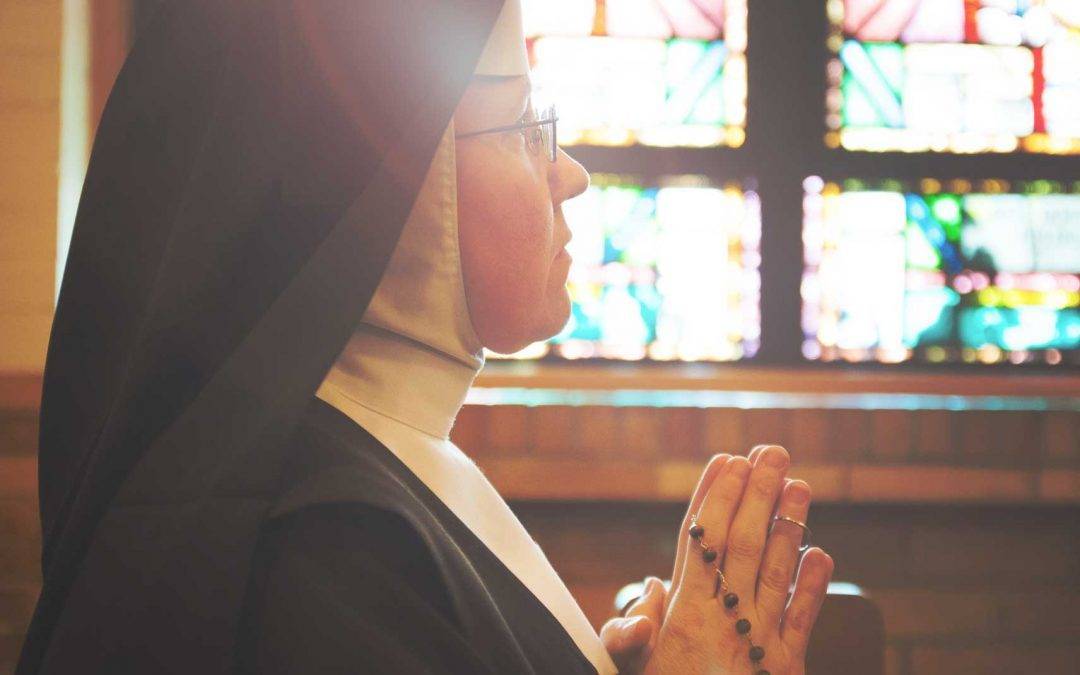
St. Therese said, “Prayer is a surge of the heart…a cry of recognition and of love.” Here she is referring to our hearts, our cries. But I think she would readily agree we could look at prayer from a different angle.
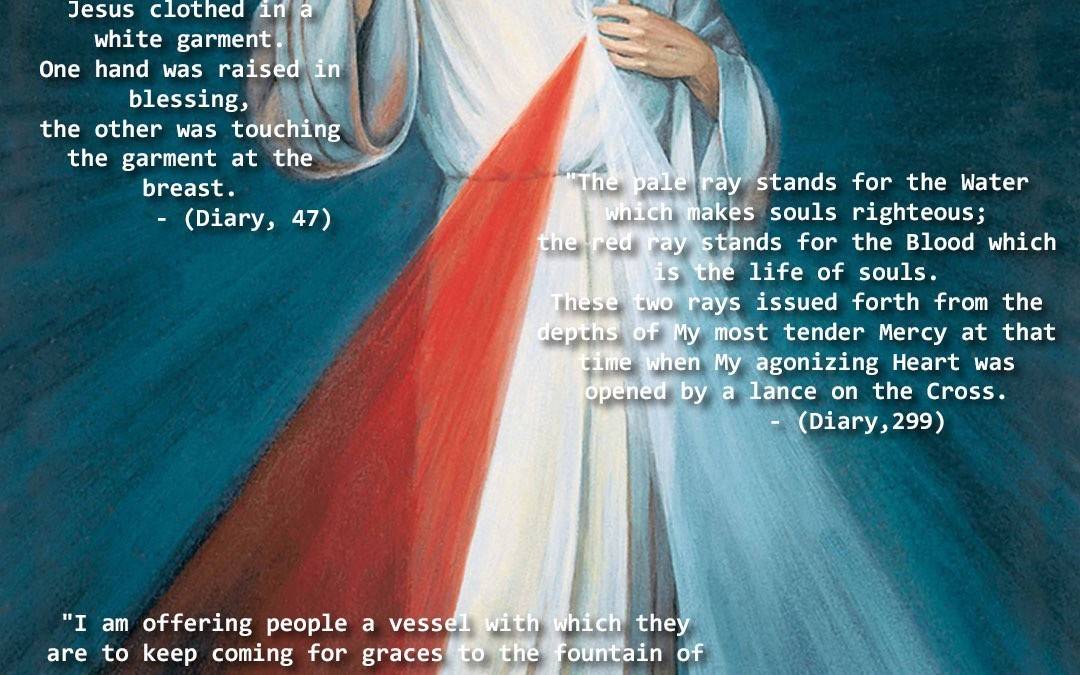
Here are five facts about the Divine Mercy image.
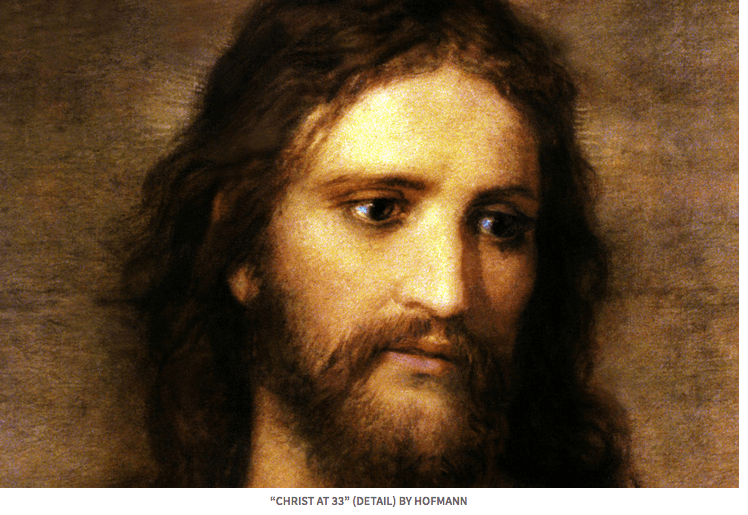
It takes courage and perseverance to walk this journey, but it is filled with a peace the world cannot give and a boundless and profound beauty leading to eternal glory in Heaven.
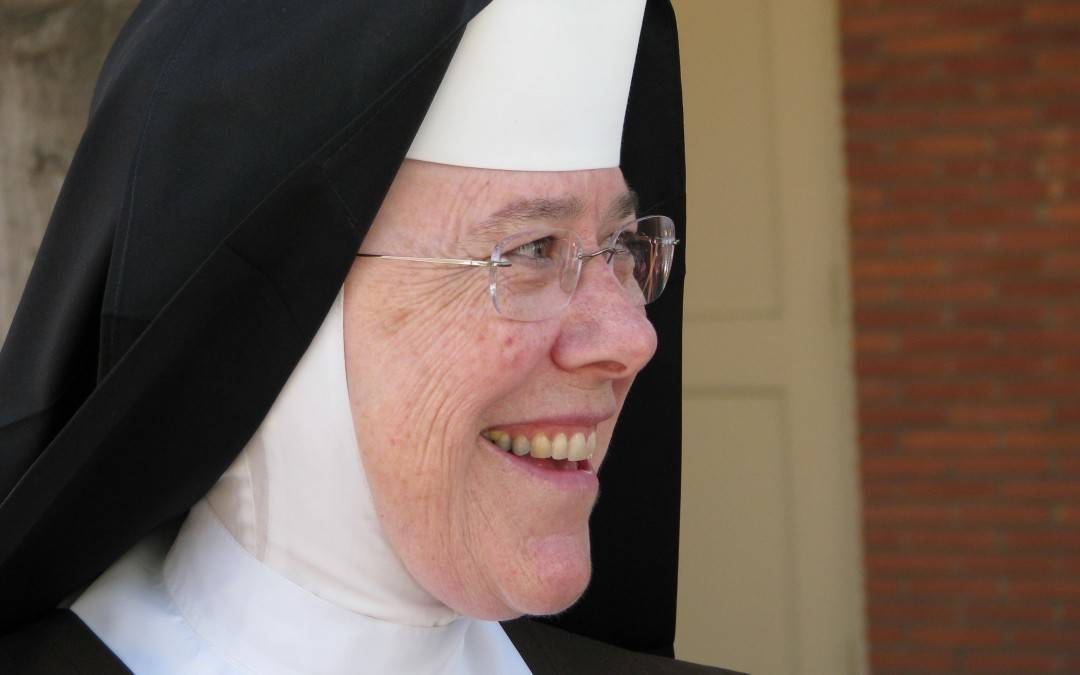
An Interview with Sr. Regina Marie Gorman, O.C.D. from Thomas Aquinas College