By Sister Timothy Marie, O.C.D.
Lent. The Holy Land. Mother Luisita. Let’s connect the dots together, because, yes, there is a connection and it contains both a Lenten reminder and an invitation. The other day, I was reflecting on an article I had recently read, The Tale of Two Seas. Its lesson impacted me in a deep way. When I finished reading it, I felt, rather I realized, that it contained a special message for me personally. Perhaps it will be for you, also. That’s why I’d like to share it.
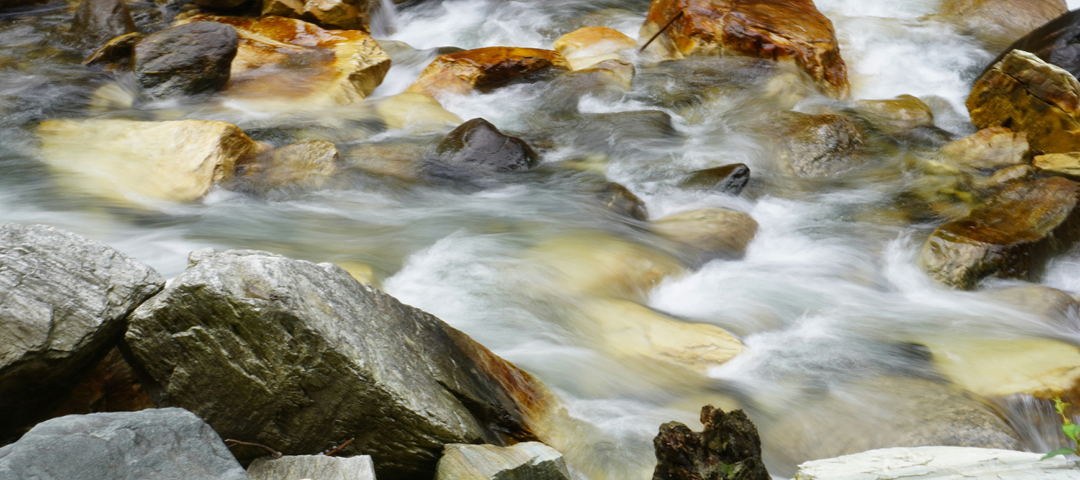
The article was entitled A Tale of Two Seas. It describes two Seas in the Holy Land, the Sea of Galilee and the Dead Sea with only a difference in elevation. The same Jordan River flows southward into both, yet the Sea of Galilee is fresh, sparkling, alive with fish and visited by pilgrims and tourists, while the Dead Sea is, as the name implies, dead. No life at all. Quite the opposite. The Dead Sea is the lowest place on planet earth and teems with an excess of salt and lacks any aquatic life in its waters. Even the surrounding area is devoid of life. One sees only an assortment of rocks, mostly small or medium size, bordering the Dead Sea on all sides.
Now to connect the dots. First – Lent. Lent is a time to remember, to revive, to renew and to restore. As spring renews the earth, so Lent renews the spirit. The Holy Land. The Holy Land is the location of these two seas, the Sea of Galilee and the Dead Sea. Same location. Same environment. So, why are the two so different? The reason is easy to understand. The Jordan River flows equally into both seas, but the Sea of Galilee is not completely closed in upon itself. It has an outlet in its southern perimeter that allows the water to flow out and continue on. This renews the vitality of the water. On the other hand, the Dead Sea has no outlet. Any water that flows into it remains and becomes stagnant with only corrosive water remaining. Mother Luisita. Her amazing union with God through prayer, so vibrant and beautiful, overflowed into loving service, through much-needed healthcare, education, and spiritual formation of God’s people.
These, then, are the classic practices of Lent—prayer, fasting, and almsgiving. Through these three practices, the life of God pours into our souls and then pours out to others through loving services. Put a different way, the traditional Lenten practices of prayer, fasting and almsgiving will lead us into a deeper union with God which then overflows into service to others. This is a great description of the life of Mother Luisita, our foundress, who through a time of revolution and religious persecution, became a light in the darkness penetrating Mexico and beyond.
Mother Luisita, pray for us that our love of God may remain fresh, and vibrant, never stagnant and closed in upon ourselves.